

Potassium and Kidney Disease: A Practical Diet Guide
Posted 01 Jul 2026 | Source:
If you have kidney disease, you may have been told to watch your potassium. Potassium is a mineral that is essential for life, but in kidney disease its level in the blood can become too high, which can be dangerous. This article explains why potassium matters, which foods are high and low in it, and how to manage your intake sensibly — without making your diet unnecessarily restrictive.
Why potassium matters
Potassium plays a vital role in the functioning of nerves and muscles, including the heart muscle. The body keeps blood potassium within a narrow range, and the kidneys are the main organ responsible for removing any excess. When the kidneys are not working well, potassium can build up in the blood — a condition called hyperkalaemia.
This matters because both very high and very low potassium levels can affect the heart’s rhythm. A severely high potassium level can, in extreme cases, cause dangerous heart rhythm disturbances. This is why, in more advanced kidney disease, potassium is monitored carefully and dietary potassium may need to be controlled.
An important word of balance
Before discussing which foods are high in potassium, an honest point: not everyone with kidney disease needs to restrict potassium, and unnecessary restriction can deprive you of healthy foods. Many people with early or stable kidney disease have normal potassium levels and need no special restriction at all. Potassium restriction becomes relevant mainly when blood tests show a rising or high level, or in more advanced disease. The right approach is individual, guided by your blood results, rather than a blanket avoidance of all potassium-rich foods.
Always follow the specific advice your kidney team gives you, which is based on your own potassium levels.
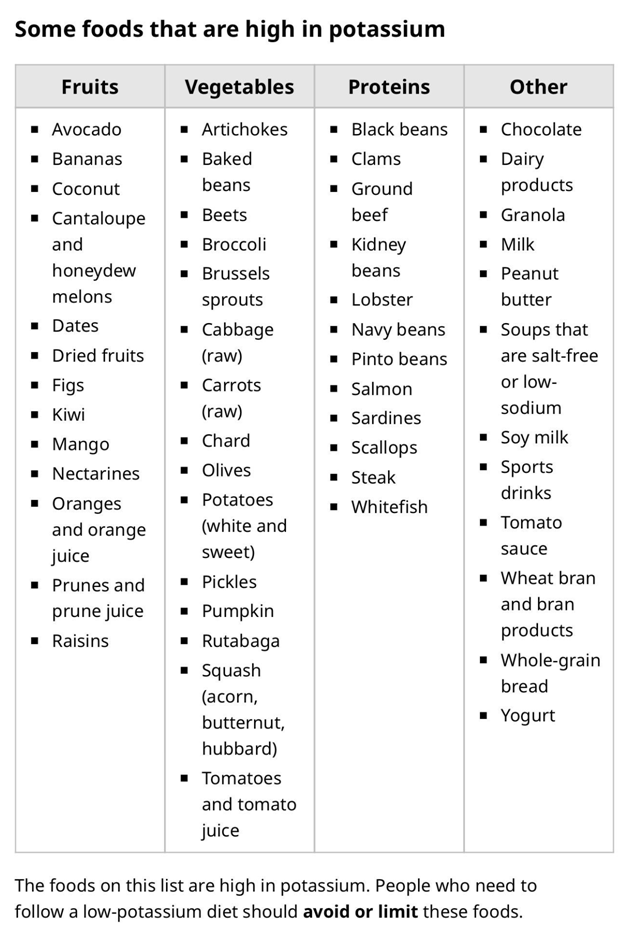
Foods that are high in potassium
Certain foods are particularly rich in potassium and may need to be limited if your level is high. These include many fruits such as bananas, oranges and orange juice, melons, and dried fruits; vegetables such as potatoes, tomatoes, spinach and other leafy greens, and avocados; coconut water; nuts and seeds; and certain pulses. Among Indian foods, items prepared with large amounts of potato, tomato, coconut, or leafy greens can contribute significantly, as can certain lentils.
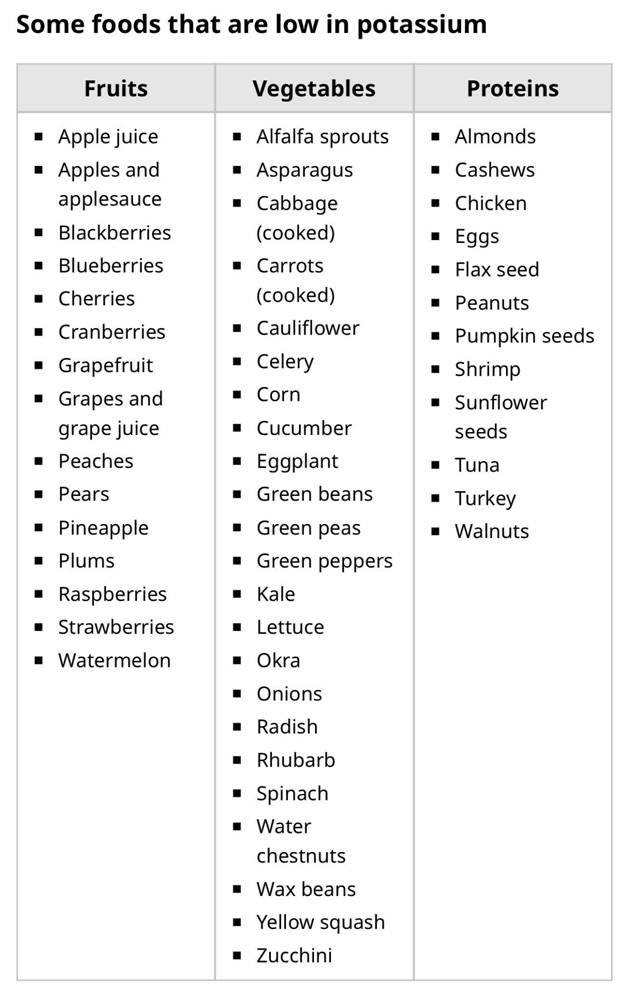
Foods that are lower in potassium
Many foods are lower in potassium and can be enjoyed more freely if you need to watch your intake. These include fruits such as apples, pears, papaya, and guava in moderation; vegetables such as cauliflower, cabbage, brinjal, and bottle gourd and other gourds; and refined grains such as rice. Many traditional Indian gourds and certain vegetables are relatively kidney-friendly, which is useful for planning meals.
A practical cooking tip: leaching
A useful technique for reducing the potassium content of high-potassium vegetables is called leaching. Cutting vegetables such as potatoes into small pieces, soaking them in plenty of water, and then boiling them in a large volume of water that is discarded can draw out a portion of their potassium. This does not remove all of it, but it can help, and it allows some higher-potassium vegetables to be included in smaller quantities. Your dietitian can show you how to do this effectively.
Beyond diet: other causes of high potassium
It is worth knowing that diet is not the only thing that affects potassium. Certain medications, including some used to protect the kidneys and heart, can raise potassium levels. Constipation can contribute, as the gut is an alternative route for removing potassium. Poorly controlled diabetes and the acidity that accompanies advanced kidney disease can also play a part. This is another reason why managing potassium is best done with your medical team, who can look at all the contributing factors rather than focusing on diet alone.
How potassium is managed overall
Managing potassium involves regular blood monitoring, dietary adjustment guided by those results, attention to the contributing factors mentioned above, and sometimes specific medications that help the body remove excess potassium. For people on dialysis, the dialysis treatment itself removes potassium, and dietary advice is coordinated with the dialysis schedule. The overarching aim is to keep your potassium in a safe range while allowing you to eat as varied and enjoyable a diet as possible.
The takeaway
Potassium is something to be aware of in kidney disease, but not something to fear. With regular monitoring and sensible, individualised dietary guidance, most people can keep their potassium in a safe range while still eating well. The key is to base your approach on your own blood results and the advice of your kidney team, rather than on generic restrictions.
Potassium management should be tailored to your own blood results. A nephrologist, working with a dietitian, can advise you on a sensible and individualised approach. A video consultation is a convenient way to discuss this.
